Can Broad-Spectrum Biology Help Reduce Fertilizer Input Costs?
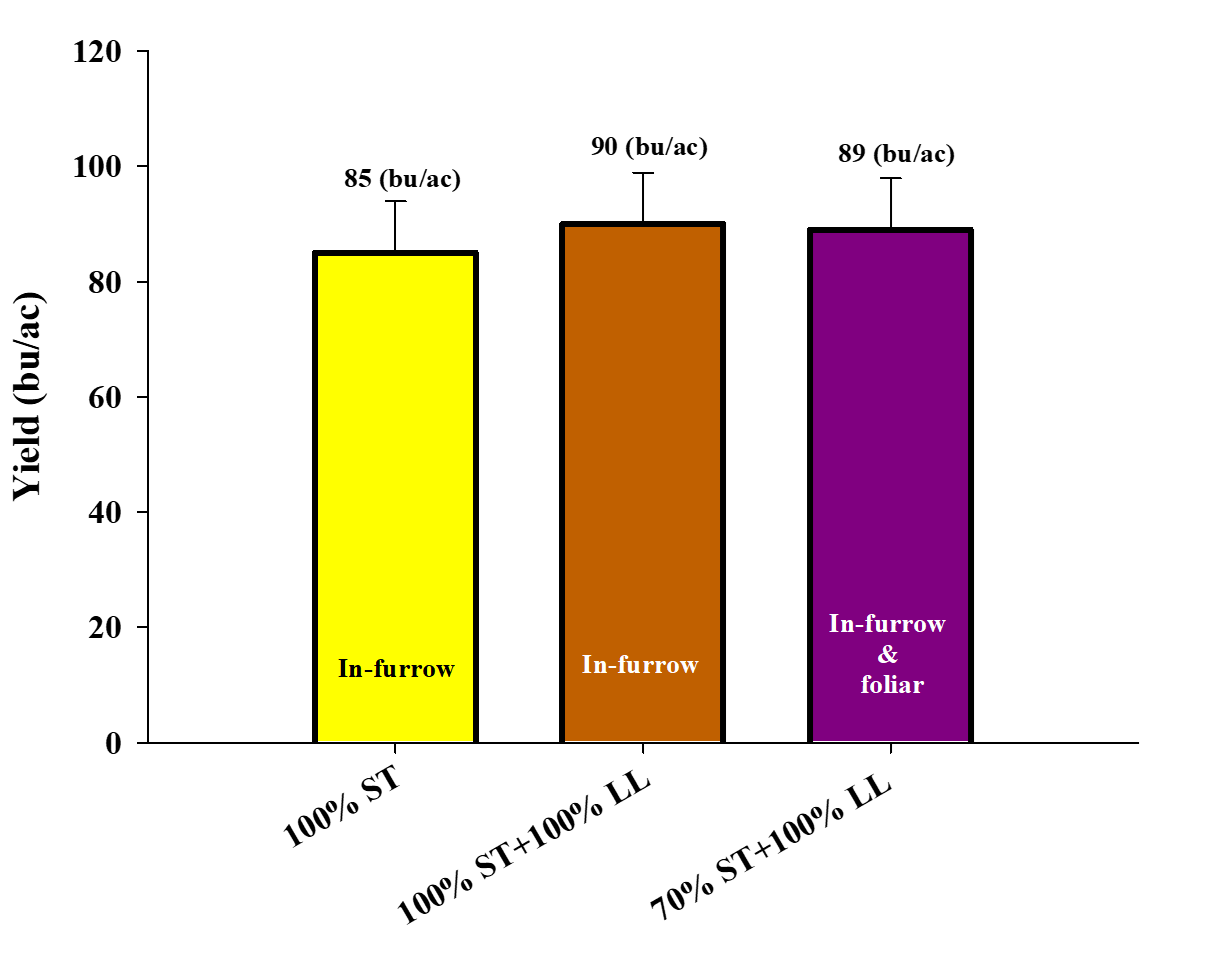
Field trial results show that broad-spectrum biology like BIOACTIVE® LiquiLife can reduce fertilizer inputs by up to 30% without sacrificing yield, significantly lowering costs while maintaining performance. By improving nutrient availability and efficiency, biology helps growers get more from every pound of fertilizer applied.
Can Broad-Spectrum Biology Help Reduce Fertilizer Input Costs?
For cereal crop producers, fertilizer efficiency is always top of mind—especially for nitrogen (N) and phosphorus (P). Both nutrients are essential, yet a large share of what’s applied never reaches the plant.
The Fertilizer Efficiency Problem
Nitrogen (N): Cereal crops recover about 50% of applied N. Losses occur via ammonia volatilization, nitrous oxide emissions, nitrate leaching, and poor timing vs. crop demand.
Phosphorus (P): Only 20–30% of applied P is typically taken up—even under good conditions.
With fertilizer prices high and efficiency low, many growers ask: Can biology improve fertilizer efficiency and lower costs without sacrificing yield?
A Wheat Trial in Canada
This trial compared standard fertilizer practices with LiquiLife® broad-spectrum biology.
Haile, D., Nigussie, D., & Ayana, A. (2012). Nitrogen use efficiency of bread wheat: Effects of nitrogen rate and time of application. Journal of Soil Science and Plant Nutrition, 12(3), 389–410.
Jamal, Z., & Chaudhary, M. F. (2007). Effects of soil and foliar application of different concentrations of NPK... Pakistan Journal of Plant Sciences, 13(2).
Dobermann, A. R. (2005). Nitrogen use efficiency—state of the art.